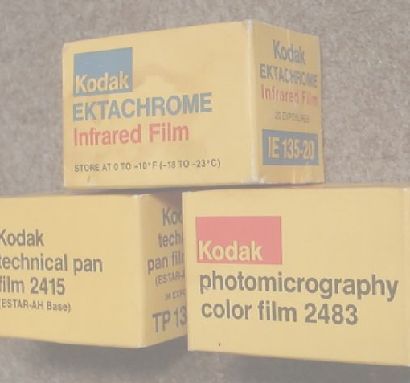
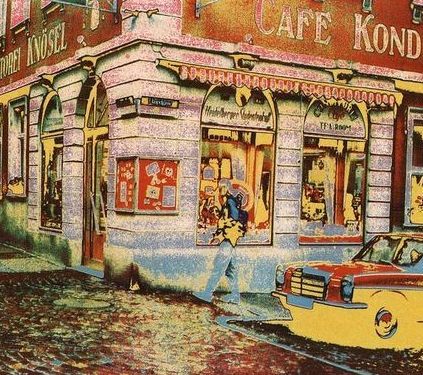
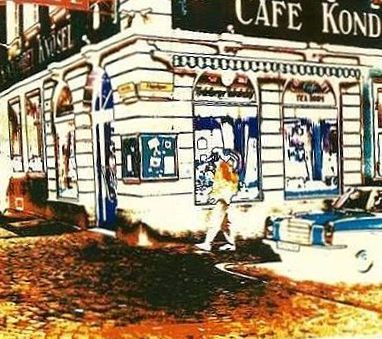
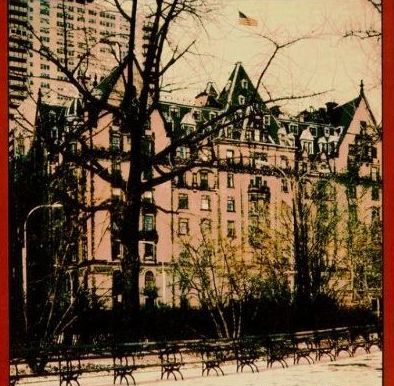
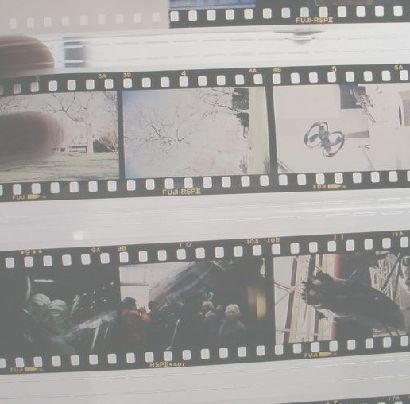
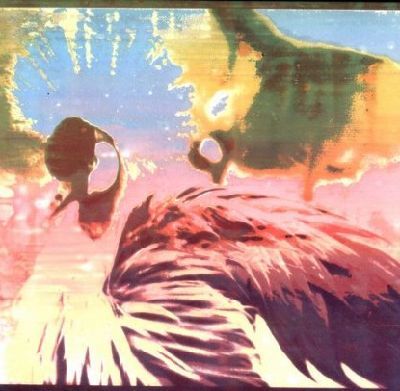
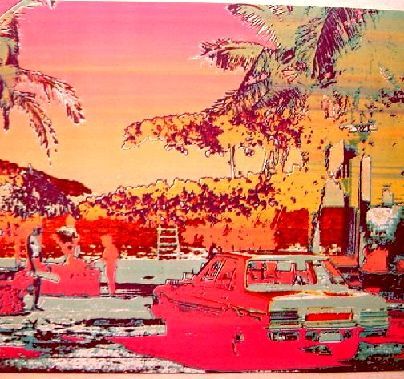
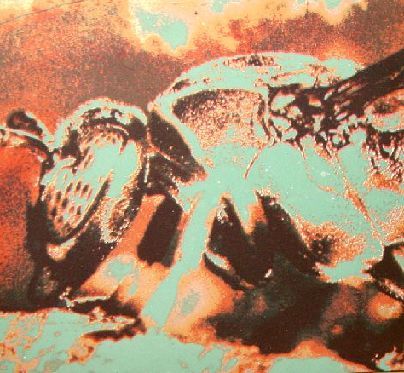
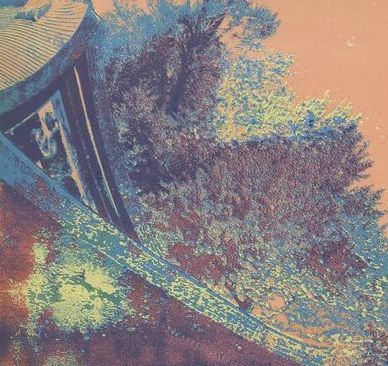
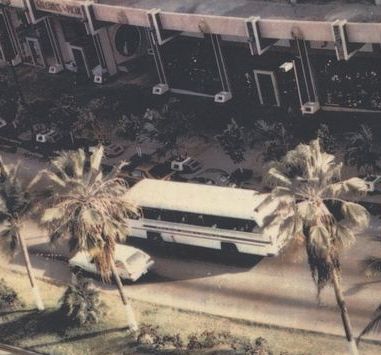
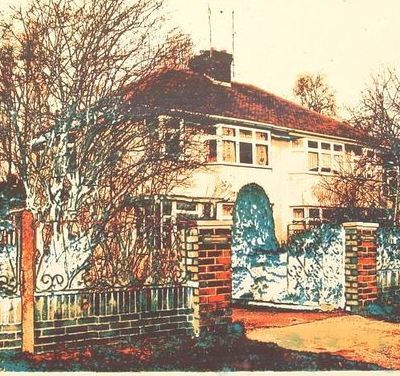
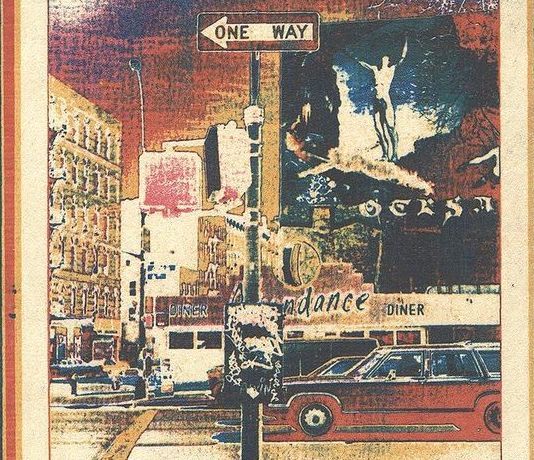
Analog pigment printing with monochrome negative film ... ww Speaking of vintage prints in the 1980's ... It was only about Kodak's ≪Die Transfer Print≫. However, even this is dyed, so there is no weatherability ... Then, after making the original by die transfer, ... Digital, pigment jet printing, enlarged copy, etc. Rough work came out, expensive, seems to be trade ww
JazzPigmentPrint Development as an art work. The original is a small analog work, but This is enlarged and output to make a large work.
That is ... I also developed this analog pigment print ... If pigment jet printing is done ... for a considerable price ... www Well, if there is demand ... but it is Tarareba ... ・ ww
The classical technique is difficult to realize if the timing of time, money, place, etc. do not overlap. This classical technique was realized ... I was able to rent a large room that could be a dark room. Work is "Monochrome print" ... This kind of work doesn't exist at present. In the 1980's advertising industry, it is necessary to make monochrome prints from positive and negative films in the layout of photographs. In other words, there was a work called “monochrome printing”.
Modern pictures are completed with digital data on the computer.One-ness
Classical technique photography consists of an amalog camera, film, and finally on paper
Pigment photography production is surprisingly . However, as there are many variable elements, like the normal picture, you can not always make the same thing. That's where the interest is divided. This is a photo illustration to the last. It is not computer graphics either. The ultimate goal is the original vintage print.